This content was aggregated from local dealer data and insights provided by the USA Today Network Automotive Insights team using Google Gemini and the Vehicles For Sale Near Indianapolis marketplace writing team.
A high-performance sport motorcycle offers more than engine power. Its electronic rider aids can influence how that power reaches the road and how the motorcycle responds when riding conditions change. For Indianapolis riders considering a Honda CBR1000RR, understanding power modes and traction control is an important part of evaluating the motorcycle.
These systems are especially relevant on a supersport motorcycle, where throttle response and acceleration can feel very different from those of an everyday commuter bike. Power modes generally adjust how the motorcycle responds to throttle input, while traction control is designed to help manage rear-wheel slip during acceleration.
The exact equipment, available settings, and system names can vary by model year and version. Because the supplied vehicle information does not establish one confirmed model year for every reference, buyers should verify the specifications of the particular CBR1000RR they are considering. This guide explains the concepts, what to examine, and which questions to ask before shopping.
Power modes are electronic settings that can change how a motorcycle responds when the rider opens the throttle. Depending on the motorcycle's equipment, a mode may adjust throttle response or the way available engine power is delivered. The goal is to give riders different response characteristics for different preferences and conditions.
A more responsive setting may feel direct when accelerating, while a softer response setting can make throttle input feel less abrupt. These settings do not turn a high-performance motorcycle into a beginner motorcycle, and they do not remove the need for smooth control.
On a CBR1000RR, the exact number and behavior of available power settings depend on the model year and configuration. Some versions may combine power delivery settings with other electronic rider aids. Buyers should consult the owner's manual for the exact motorcycle rather than assuming that every CBR1000RR has an identical selection of modes.
When evaluating power modes, consider:
Throttle response: Notice how quickly the motorcycle reacts to small changes in throttle input.
Power delivery: Understand whether a setting changes the available output or primarily adjusts how that output is delivered.
Riding conditions: Consider how a less abrupt response may feel in slower traffic or changing road conditions.
Rider experience: Choose settings appropriate to your skill level and the manufacturer's guidance.
System operation: Learn how to select modes and whether settings can be changed while riding.
Power modes are tools for managing the riding experience, not substitutes for training, judgment, or responsible speed selection.
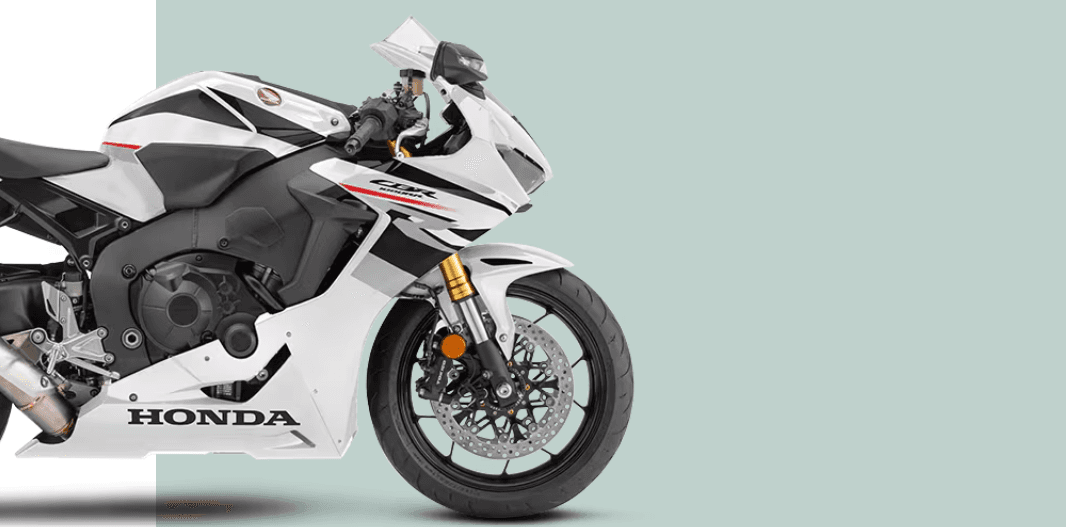
The Honda CBR1000RR belongs to the liter-class sport motorcycle category. That means buyers should evaluate performance, ergonomics, braking, handling, and rider technology together. A motorcycle's electronic features are only one part of the ownership decision.
When reviewing a particular CBR1000RR, ask the dealer to identify its exact model year and equipment. Features can differ between versions, and a feature shown in information about another model year should not automatically be assumed to be included.
Important areas to investigate include:
Engine and performance: Review the manufacturer's specifications for the exact model and understand how its power characteristics suit your experience.
Power modes: Ask which settings are available and what each one changes.
Traction control: Confirm whether the motorcycle has an electronic traction management system and how its settings operate.
Braking system: Review the braking equipment and any associated electronic assistance fitted to that version.
Riding position: Sit on the motorcycle to assess handlebar reach, seat height, footpeg position, and overall comfort.
Suspension: Ask about the fitted suspension equipment and available adjustment procedures.
Instrumentation: Explore the display and learn how rider-aid settings and warnings are communicated.
A feature list is useful, but a hands-on explanation is better. Ask the dealership to walk through the controls and show you where the motorcycle's settings are displayed.
The most useful features depend on where, how, and how often you plan to ride. A rider who uses a motorcycle for occasional recreational trips may prioritize performance and handling, while someone who regularly travels through urban traffic may place more emphasis on throttle smoothness, ergonomics, and manageable low-speed behavior.
Traction control is designed to help manage rear-wheel slip when acceleration and available tire grip do not match. Depending on the system, it may reduce engine torque when it detects conditions associated with excessive wheel slip. It cannot create additional grip or guarantee that the motorcycle will remain upright.
Power modes and traction control serve related but different purposes:
Power modes influence throttle response or power delivery, depending on the system.
Traction control helps manage rear-wheel slip during acceleration.
Neither system replaces appropriate speed, smooth inputs, or safe following distance.
Rider aids should be used according to the owner's manual and the conditions.
Tires, road surfaces, weather, and rider technique still affect available traction.
For a supersport buyer's guide, it is also important to consider rider skill level. The CBR1000RR is a high-performance motorcycle, and electronic assistance does not make its performance characteristics suitable for every rider. Newer riders should seek appropriate training and carefully assess whether this category of motorcycle matches their experience.
Indianapolis riding conditions can vary considerably. A trip may involve city streets, suburban roads, highway stretches, construction areas, and changing weather. A supersport motorcycle should be evaluated in the context of the routes you realistically expect to ride.
The CBR1000RR's sport-focused riding position may feel different from that of a standard or touring motorcycle. Before purchasing, consider whether the forward-leaning posture is comfortable for your typical ride length. Seat comfort, wrist pressure, leg position, and visibility are worth assessing while stationary and during an appropriately arranged demonstration.
Use this shopping checklist:
Confirm the model year, version, and exact equipment.
Ask which power modes and traction control settings are fitted.
Have the dealer explain how to select and adjust the available rider aids.
Check the seating position and handlebar reach.
Review tire condition and the manufacturer's tire recommendations.
Ask about maintenance intervals and service requirements.
Understand the motorcycle's braking and suspension equipment.
Review warranty coverage and any included accessories.
Weather and road conditions also deserve attention. Wet pavement, loose gravel, painted road markings, and cold tires can reduce available grip. Traction control is not a reason to ride aggressively in those conditions. Follow the manufacturer's guidance and adjust your riding to the surface.
Tom Wood Powersports Honda serves the Indianapolis marketplace. When discussing a Honda CBR1000RR, explain your riding experience and intended use. Ask the dealership to identify the specific motorcycle's rider aids and demonstrate the controls so you understand what is actually included.
Power modes generally adjust throttle response or power delivery, depending on the motorcycle's system. They can change how the engine responds to rider input, but the exact settings and behavior vary by model year and version. Refer to the specific motorcycle's documentation for details.
Traction control is designed to help manage rear-wheel slip during acceleration. Depending on the system, it can intervene by adjusting engine torque when it detects excessive wheel slip. It cannot guarantee grip or prevent every loss of control, so smooth riding remains essential.
No. Equipment and electronic features can vary by model year and configuration. Buyers should confirm the exact motorcycle's power modes, traction control system, braking equipment, and other rider aids with the dealership and official product documentation.
Different throttle-response settings may help riders adapt the motorcycle's response to their preferences and conditions. However, a high-performance supersport motorcycle still requires appropriate experience and careful operation. A softer response setting does not make unsafe speeds or poor riding decisions safe.
Ask for the exact model year and equipment list, then confirm which power modes and traction-control functions are included. Request an explanation of the controls, maintenance requirements, warranty coverage, and recommended rider practices. Make sure the motorcycle suits your experience and intended use.
Written for https://vehiclesforsalenearindianapolis.com
By the USA TODAY Network Automotive Insights Team, in collaboration with Tom Wood Honda Powersports and the Vehicles For Sale Near Indianapolis Star Edition.
Disclaimer: This article's content is intended for informational purposes only. Vehicle specifications and features are based on data provided by J.D. Power and local dealerships and may vary by individual vehicle, VIN, trim, configuration, packages, and optional equipment. Vehicle images may not depict the exact model, trim, features, packages, accessories, or specifications described. Vehicle pricing, availability, features, and specifications are subject to change without notice. Please reference the dealership's vehicle listing and window sticker or consult the dealership directly for complete and accurate details.