
This content was aggregated from local dealer data and insights provided by the USA Today Network Automotive Insights team using Google Gemini and the Vehicles For Sale Near Indianapolis marketplace writing team.
Choosing between a used coupe and a used convertible comes down to how you plan to drive, the weather you encounter, and the ownership costs you are comfortable managing. Both body styles can appeal to drivers looking for a distinctive second car, but their practical differences deserve attention before you commit to a purchase.
For shoppers around Indianapolis and Central Indiana, seasonal temperature changes, rain, winter road conditions, parking arrangements, and everyday driving needs can all influence the decision. A coupe may appeal to someone who prefers a fixed roof and a straightforward cabin layout, while a convertible offers the option of open-air driving when conditions are suitable. Neither body style is automatically the better choice for every driver.
When comparing used vehicles, condition matters just as much as design. A thorough inspection, a review of maintenance records, and realistic insurance estimates can help you choose a vehicle that fits your lifestyle without creating unexpected expenses.
Begin by deciding what role the vehicle will play. A second car used for weekend drives may have different requirements from one that will handle regular commuting, errands, or longer trips. Consider passenger needs, cargo space, parking, annual mileage, and how often you expect to drive it.
A coupe typically has a fixed roof and may prioritize a sportier profile over easy access to the rear seats. The precise seating arrangement, visibility, and cargo capacity depend on the individual model. If you regularly carry passengers or bulky items, evaluate the cabin and trunk rather than judging practicality by exterior size.
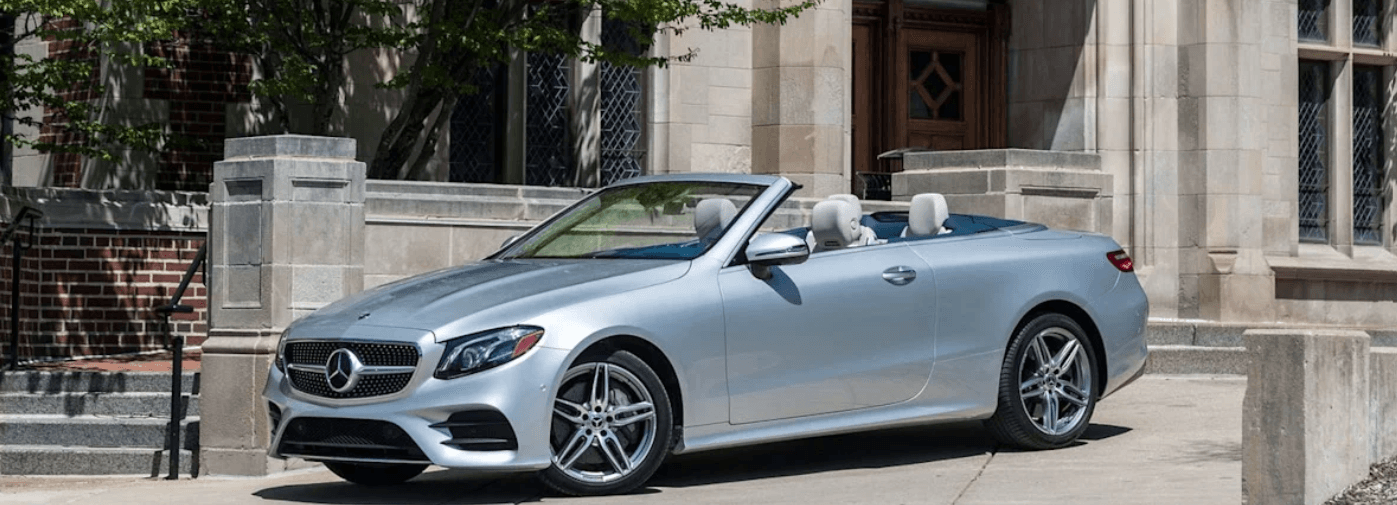
A convertible adds the option of lowering its roof, but roof design and operation vary. Some models use a fabric soft top, while others have a retractable hardtop or another mechanism. The type of roof affects storage, inspection priorities, operation, and potential repair costs.
Because these vehicles may differ substantially by make, model, age, and equipment, compare specific listings rather than treating every coupe or convertible as interchangeable. Confirm the model year, trim, vehicle history, equipment, and current condition before deciding which candidate best suits your needs.
A used vehicle's appearance does not tell the whole story. Before purchasing, review its records and inspect the components most relevant to its body style, age, and intended use.
For a coupe, pay attention to:
Door operation, window seals, and signs of water intrusion.
Seat adjustment, rear-seat access, and visibility from the driver's position.
Trunk capacity and whether the available space suits your regular cargo.
Tire condition, braking performance, suspension wear, and warning lights.
Service records and any modifications that may affect reliability or insurance.
For a convertible, add a careful roof inspection. Operate the roof only according to the manufacturer's instructions and check for smooth movement, unusual noises, damaged fabric, cracked seals, or signs of previous repairs. Ask whether the roof mechanism has received maintenance and whether the seller can document relevant work.
Look for damp carpets, musty odors, water stains, and moisture in the trunk or cabin. These signs do not prove that a roof is defective, but they warrant further investigation. A qualified technician familiar with the particular model can assess possible leaks, drainage problems, electrical issues, or mechanism faults.
Also verify the vehicle's safety equipment, tire specifications, maintenance needs, and any model-specific service concerns. A vehicle history report can help identify recorded events, but it should not replace an independent pre-purchase inspection.
The most useful comparison considers weather protection, daily convenience, maintenance, insurance, and the condition of the individual vehicle.
Weather practicality is especially relevant around Indianapolis. Both body styles can provide enclosed driving when properly equipped and maintained, but the condition of windows, seals, and weatherstripping matters. A convertible with a damaged roof or compromised seals may be less suitable for frequent exposure to rain. Cold weather also makes roof condition, heating, defrosting, and tire suitability important inspection points.
Roof design and storage can influence convenience. A convertible's roof may take up space when folded, depending on the design, while a coupe has a fixed roof and a more predictable roof configuration. Compare actual trunk dimensions and check whether luggage, groceries, or hobby equipment will fit with the roof in the position you expect to use most often.
Maintenance and repairs depend on the vehicle's age, design, service history, and condition. Convertibles have roof-related components that a coupe does not, including mechanisms, seals, and drainage paths where fitted. Those parts can require attention as a vehicle ages. A coupe can still have expensive repairs, so do not assume that a fixed roof guarantees lower overall maintenance costs.
Insurance and operating costs should be checked before purchase. Premiums vary according to the vehicle, driver, location, coverage, and insurer. Obtain quotes for the specific vehicles under consideration rather than relying on general claims about one body style being cheaper to insure. Include fuel, tires, scheduled maintenance, repairs, registration, and storage when estimating the total cost.
Inspection and vehicle history may ultimately matter more than body style. A well-maintained convertible can be a stronger purchase than a neglected coupe, and the reverse can also be true. Compare condition, service documentation, signs of collision repair, tire wear, and any warning lights. Arrange an independent inspection before finalizing the transaction.
Indianapolis-area shoppers should consider how each vehicle will fit the local driving routine throughout the year. Think about whether the car will be parked in a garage, kept outdoors, driven in winter, or reserved for milder-weather weekends.
Outdoor storage makes the condition of the roof, paint, seals, and interior particularly relevant. For a convertible, use the manufacturer's guidance for cleaning, drying, operating, and storing the roof. Avoid operating a powered roof outside its specified conditions, and address leaks promptly to reduce the risk of interior damage.
Winter use deserves its own assessment. Check tire condition and suitability for the expected conditions, verify that heating and defrosting systems work correctly, and consider how much clearance and traction the specific vehicle offers. Neither a coupe nor a convertible should be assumed to perform well in every weather condition simply because it has an enclosed cabin.
Budget for ongoing care as well. Ask a repair shop about maintenance needs for the specific model, and request insurance quotes before settling on a vehicle. If the car will be driven infrequently, consider battery maintenance, secure storage, and the manufacturer's recommendations for periods of limited use.
Finally, think about enjoyment as well as practicality. A convertible can make suitable-weather drives feel more open and engaging, while a coupe may better match a preference for a fixed roof and a consistent cabin environment. The right choice is the one that suits your actual habits, not an idealized version of how often you expect to drive with the roof down.
It depends on the specific vehicle and how you plan to use it. A coupe has a fixed roof, while a convertible offers open-air driving but adds roof-related components to inspect. Passenger space, cargo capacity, condition, and maintenance history also matter.
Check roof operation, fabric or roof-panel condition, seals, windows, drainage areas where applicable, and signs of water intrusion. Review service records and have a qualified technician inspect the roof mechanism and related systems if anything is uncertain.
They can have additional roof-related maintenance and repair needs, but actual costs depend on the model, age, condition, and service history. Compare the specific vehicle's maintenance requirements rather than assuming all convertibles have the same expenses.
That depends on the vehicle's condition, tires, equipment, storage, and the driver's comfort with changing weather. Verify the car's readiness for the intended conditions and follow appropriate seasonal driving precautions.
Request quotes from insurers for each specific vehicle using the same coverage assumptions. Premiums depend on the driver, vehicle, location, and coverage, so broad body-style comparisons may not reflect your actual cost.
The best used-car decision balances personal preference with realistic ownership requirements. By comparing weather protection, roof condition, maintenance, insurance, and inspection results, Indianapolis shoppers can choose a coupe or convertible that fits their routines and budget.
Written for https://vehiclesforsalenearindianapolis.com
By the USA TODAY Network Automotive Insights Team, in collaboration with Unlimited Motors and the Vehicles For Sale Near Indianapolis Star Edition.
Disclaimer: This article's content is intended for informational purposes only. Vehicle specifications and features are based on data provided by J.D. Power and local dealerships and may vary by individual vehicle, VIN, trim, configuration, packages, and optional equipment. Vehicle images may not depict the exact model, trim, features, packages, accessories, or specifications described. Vehicle pricing, availability, features, and specifications are subject to change without notice. Please reference the dealership's vehicle listing and window sticker or consult the dealership directly for complete and accurate details.