
This content was aggregated from local dealer data and insights provided by the USA Today Network Automotive Insights team using Google Gemini and the Vehicles For Sale Near Indianapolis marketplace writing team.
Choosing a midsize pickup involves more than deciding how much bed length or passenger space you need. For Indianapolis shoppers considering a 2026 Nissan Frontier, the decision also includes towing and hauling requirements, parking convenience, comfort, fuel expenses, maintenance, and the total purchase budget. A truck should match the work and activities you expect it to handle without creating unnecessary costs or compromises.
Buyers across Indianapolis and Central Indiana should start by identifying how they plan to use the pickup. Daily commuting, home improvement projects, outdoor recreation, equipment transport, and occasional towing can create very different requirements. Comparing specific listings against those needs helps shoppers evaluate the right configuration rather than choosing based on appearance or a single specification.
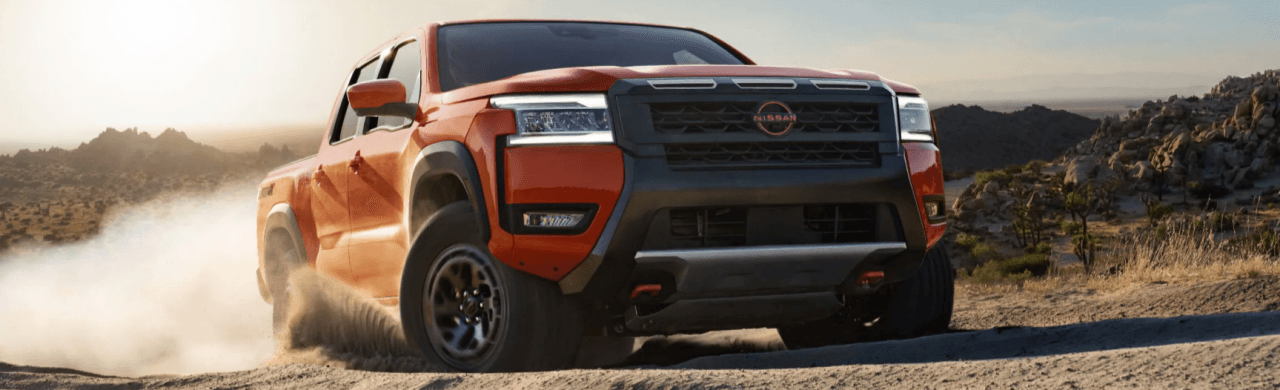
The Nissan Frontier is a midsize pickup nameplate that may appeal to drivers seeking a truck for personal use, practical hauling, and everyday transportation. For a 2026 model, verify the available cab styles, bed configurations, powertrain details, and equipment before deciding which version fits your plans. Do not assume that every trim or listing has the same configuration.
Start with the truck's main purpose. If you regularly carry passengers, cabin space and access may matter more than having the longest available bed. If you transport building materials, tools, landscaping supplies, or recreational equipment, bed dimensions and cargo management may deserve greater attention. Some buyers need a balance of both, making it important to consider how the truck will be used during a typical week.
Think about the difference between regular needs and occasional tasks. A truck purchased mainly for commuting may spend much of its time carrying only a driver and a few small items. Another may frequently carry passengers, equipment, or bulky materials. Choose a configuration based on realistic use, while considering whether occasional jobs can be handled through alternative arrangements.
Indianapolis-area drivers should also account for parking, garage dimensions, daily traffic, and the places where the truck will regularly be driven. A configuration that works well at a jobsite may feel less convenient in a crowded parking area. Assess both work-related and personal needs before narrowing your search.
A model year and nameplate do not establish the exact equipment or specifications of a particular truck. Verify the 2026 information for the vehicle you are considering, especially when comparing different trims or configurations.
Review these important areas:
Cab configuration: Confirm the actual cab style and passenger capacity. Consider rear-seat access and comfort if family members or coworkers will regularly ride along.
Bed dimensions: Verify the bed length and usable cargo area. Think about the length and shape of items you expect to transport.
Payload and towing: Check the specific vehicle's documented ratings and equipment. Requirements can vary by configuration, so do not rely on a generic model description.
Powertrain and drivetrain: Confirm the engine, transmission, and drivetrain for the exact listing.
Cargo management: Check for included tie-downs, bed accessories, storage features, or other equipment you expect to use.
Safety and connectivity: Verify which driver-assistance technologies, infotainment features, and smartphone connections are included.
Warranty and service requirements: Review applicable warranty terms and recommended maintenance information.
If you plan to tow, confirm the truck's rating and required equipment for your intended load. Consider the trailer's loaded weight and other relevant limits rather than relying on a headline towing figure. For hauling, verify payload capacity and account for passengers, accessories, and cargo.
A test drive should assess more than engine response. Check visibility, seating position, control layout, turning and parking convenience, and ride comfort on roads similar to those you use regularly. For work-related use, consider how easily the bed can be accessed and whether the cab offers the space you need.
A useful truck buying guide starts with the jobs the vehicle must perform. List the items you expect to carry, the number of passengers you regularly transport, and whether towing is a frequent requirement. Then compare available Frontier configurations against those needs.
Cab and bed choices often involve tradeoffs. A cab with more passenger space may affect the bed configuration available, while a longer bed may be helpful for certain loads but less convenient in some parking situations. Verify the actual dimensions and layout of each truck rather than assuming that similarly named versions are identical.
Next, evaluate the total ownership cost. Include the purchase price, financing, fuel, insurance, routine maintenance, tires, registration, taxes, and any accessories needed for your planned use. If you intend to add a bed cover, racks, tool storage, or towing equipment, include those costs in your comparison.
Fuel economy should be evaluated using the applicable official figures for the exact configuration. Real-world costs depend on mileage, driving conditions, cargo, and towing. Insurance costs may also vary, so request a quote using the specific vehicle details rather than assuming all pickups will cost the same to insure.
Compare financing terms, not just monthly payments. Review the down payment, annual percentage rate, loan term, fees, and total amount payable. A lower monthly payment can result from a longer loan period and may increase the total financing cost.
Finally, compare written out-the-door offers. Ask sellers to itemize the selling price, taxes, registration, documentation charges, accessories, and optional products. Confirm whether a discount depends on specific financing or trade-in conditions. This helps you evaluate comparable trucks on consistent terms.
A pickup should fit the way you drive as well as the tasks you expect it to handle. Indianapolis-area shoppers should consider commuting, highway trips, parking, worksite access, weekend projects, and travel across Central Indiana. The truck's overall size and configuration may affect daily convenience, so a test drive is important.
Think about where the truck will be parked at home and at work. Check whether it fits your garage or regular parking space, and consider how often you will need to maneuver through tight areas. If you carry passengers, test entry and exit and evaluate whether the cabin suits your usual occupants.
Weather and seasonal use may also influence your plans. If you expect to drive on slippery roads or travel to outdoor locations, verify the drivetrain and tire setup of the actual vehicle. No drivetrain removes the need for suitable tires and careful driving. If towing or hauling is part of your routine, confirm that the truck's documented ratings and installed equipment match the intended task.
Ownership costs continue after the purchase. Review the recommended service schedule, warranty coverage, tire requirements, and expected fuel use. Plan for the cost of accessories you genuinely need rather than adding them without considering their impact on the total budget.
Before visiting a seller, confirm that the truck is available and request its vehicle identification number (VIN), cab and bed configuration, equipment details, and current price. Ask for a written quote and clarify any advertised-price conditions. Listings and prices can change, so verify the details close to your planned visit.
Compare cab and bed configurations, passenger needs, payload and towing ratings, powertrain, included equipment, purchase price, and estimated ownership costs. Verify each detail for the specific truck.
No. A longer bed may suit certain cargo needs, but cabin space, parking, and the type of items you carry also matter. Choose based on regular use.
Check the documentation and ratings for the exact vehicle and configuration. Confirm that the truck's equipment and limits match your intended load.
Include fuel, insurance, maintenance, tires, financing, registration, taxes, and any accessories needed for work or recreation.
Consider how often those tasks occur and verify the truck's capability for them. Balance occasional needs against daily comfort, running costs, and practical convenience.
For Indianapolis shoppers, the best Frontier configuration is the one that meets genuine hauling, passenger, and driving needs at a manageable total cost. Comparing verified specifications and itemized offers can help you choose with greater confidence.
Written for https://vehiclesforsalenearindianapolis.com
By the USA TODAY Network Automotive Insights Team, in collaboration with Tom Wood Nissan and the Vehicles For Sale Near Indianapolis Star Edition.
Disclaimer: This article's content is intended for informational purposes only. Vehicle specifications and features are based on data provided by J.D. Power and local dealerships and may vary by individual vehicle, VIN, trim, configuration, packages, and optional equipment. Vehicle images may not depict the exact model, trim, features, packages, accessories, or specifications described. Vehicle pricing, availability, features, and specifications are subject to change without notice. Please reference the dealership's vehicle listing and window sticker or consult the dealership directly for complete and accurate details.