
This content was aggregated from local dealer data and insights provided by the USA Today Network Automotive Insights team using Google Gemini and the Vehicles For Sale Near Indianapolis marketplace writing team.
The word “charging” can create confusion when shopping for hybrid and electric vehicles. If you are considering the 2026 Lexus ES 350h for commuting around Indianapolis, one of the first questions to answer is whether you need to plug it in. The distinction matters because conventional hybrids and plug-in hybrids have different routines, equipment needs, and ownership considerations.
The 2026 Lexus ES 350h is a hybrid luxury sedan, so buyers should understand how its hybrid powertrain works before assuming it needs an external charger. For Indianapolis drivers, the more useful questions involve everyday fueling, stop-and-go traffic, comfort, and how the vehicle fits regular travel.
This luxury sedan buyer's guide explains what charging means for a hybrid, what to examine during a test drive, and which questions to ask a dealer before choosing an ES.
A conventional hybrid such as the Lexus ES 350h is designed to operate without being plugged into an external charging station. Unlike a battery-electric vehicle or a plug-in hybrid, a conventional hybrid manages its battery through the vehicle's hybrid system.
That distinction can make ownership simpler for drivers who do not have access to home charging or do not want to plan trips around public charging stations. Instead of connecting the vehicle to a charger, owners generally refuel it at a gas station as they would a conventional gasoline-powered car.
A hybrid system uses energy recovered during deceleration and braking to help replenish its battery. The gasoline engine and electric motor work together according to driving conditions and system demands. Drivers do not need to manage battery charging manually as part of an ordinary commute.
Before shopping, keep these differences in mind:
A conventional hybrid does not require an external charging cable or home charging installation.
A plug-in hybrid has a larger rechargeable battery and can be connected to an external power source.
A fully electric vehicle relies entirely on external charging rather than a gasoline engine.
Hybrid operation and efficiency depend on driving conditions, vehicle configuration, and other factors.
If charging is a major concern, ask the dealer to confirm the exact powertrain and charging requirements of the 2026 ES 350h you are considering.
The ES is positioned as a luxury sedan, making cabin comfort, road manners, and technology important parts of the shopping decision. The 2026 Lexus ES 350h combines a hybrid powertrain with the sedan format, giving buyers an option to consider if they want an electrified driving experience without adopting a plug-in routine.
However, a vehicle's overall appeal depends on more than its powertrain. Shoppers should examine the specific vehicle's equipment and make sure its features suit their regular driving habits.
Consider these areas when reviewing a vehicle:
Hybrid powertrain: Ask how the gasoline engine and electric motor work together and what maintenance guidance applies.
Cabin comfort: Check the seating position, passenger room, climate controls, and ease of adjusting the driver's seat.
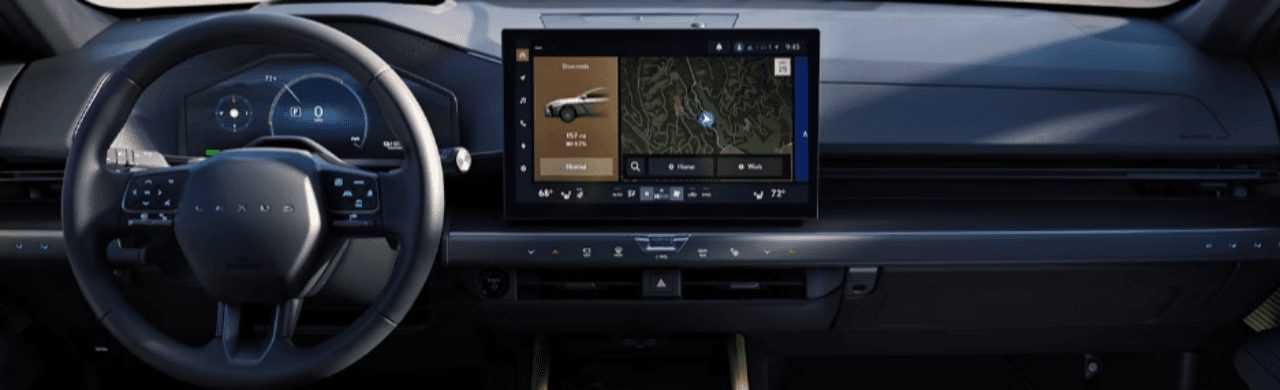
Infotainment: Explore the display, smartphone connectivity, navigation availability, and control layout on the vehicle being considered.
Driver assistance: Review which assistance systems are included on the specific trim and how they operate.
Cargo practicality: Open the trunk and consider whether it accommodates work bags, luggage, groceries, or other everyday items.
Ride and handling: Drive on different road surfaces to assess comfort, steering response, and cabin noise.
Equipment can vary by trim and configuration. Confirm standard and optional features with the dealer rather than assuming every 2026 Lexus ES 350h has the same equipment.
For a conventional hybrid, charging is part of the vehicle's automatic energy-management process. The system can capture some energy when the vehicle slows down and use it to support electric-motor operation. The driver does not need to find a charging station or connect a cable after arriving home.
This can be useful in daily commuting, where traffic conditions may involve repeated slowing and acceleration. However, hybrid operation is not the same as driving an electric vehicle, and the gasoline engine remains part of the powertrain.
For Indianapolis commuters, the practical takeaway is that the ES 350h can be considered without making home-charger access a prerequisite. Drivers should still plan for regular gasoline refueling and follow the maintenance schedule in the owner's documentation.
When comparing hybrid vehicles, ask questions such as:
Does this exact vehicle use a conventional hybrid or plug-in hybrid system?
What type of fuel does the manufacturer recommend?
How does the hybrid system behave in city traffic and on the highway?
What maintenance items are specific to the hybrid system?
What warranty coverage applies to the hybrid battery and related components?
Are there any operating recommendations for extreme temperatures?
Clear answers help distinguish the everyday routine of a hybrid from the charging requirements of a plug-in vehicle.
Indianapolis drivers may encounter a mix of city streets, highway commutes, construction zones, suburban roads, and seasonal weather. A luxury sedan should feel comfortable and manageable across the routes you regularly travel, not just during a short drive around a dealership.
The hybrid powertrain may appeal to commuters who want an alternative to a conventional gasoline-only sedan without adding an external charging routine. Still, real-world fuel use can vary with traffic, trip length, temperature, driving style, and vehicle load. Review official estimates and compare them with your own driving needs rather than relying on a single expected figure.
A useful test-drive checklist includes:
Drive through stop-and-go traffic to understand how the hybrid system responds.
Take the sedan onto a highway and evaluate acceleration, cabin noise, and ride comfort.
Test visibility, parking ease, and turning response in tighter areas.
Check the seating position and controls before setting off.
Review the infotainment system while parked so you understand its main functions.
Ask about recommended maintenance and hybrid-system warranty coverage.
Confirm the exact trim, equipment, and vehicle details before making a decision.
Tom Wood Lexus serves the Indianapolis marketplace, giving local shoppers a place to discuss the 2026 Lexus ES 350h and review the details of a particular vehicle. Bring your regular commute into the conversation. A dealer can help clarify equipment, ownership information, and the differences between available powertrain choices.
A conventional hybrid ES 350h does not require a home charging station. Its hybrid system manages battery energy while driving, including recovering energy during deceleration. Confirm the powertrain of the exact vehicle with the dealer, particularly when comparing it with plug-in hybrid or fully electric vehicles.
Yes. A conventional hybrid combines a gasoline engine with an electric motor, so gasoline remains part of its normal operation. The hybrid system manages how the power sources work together. Check the owner's documentation or ask the dealer about the recommended fuel for the specific vehicle.
A hybrid may suit commuters who experience a mix of city traffic and highway driving. Its operation can be helpful in changing traffic conditions, but actual fuel consumption varies with route, weather, driving habits, and other factors. Consider a test drive that reflects your normal commute.
Ask about the hybrid battery warranty, coverage terms, maintenance recommendations, and any inspection procedures relevant to the vehicle. Have the dealer explain what is covered and for how long. Review the official warranty documents so you understand the applicable conditions and exclusions.
Confirm the powertrain, trim, included equipment, warranty coverage, and vehicle availability. During a test drive, assess comfort, visibility, technology, and how the hybrid system behaves in traffic. A clear comparison of the vehicle's equipment and ownership information can help you make a more confident decision.
Written for https://vehiclesforsalenearindianapolis.com
By the USA TODAY Network Automotive Insights Team, in collaboration with Tom Wood Lexus and the Vehicles For Sale Near Indianapolis Star Edition.
Disclaimer: This article's content is intended for informational purposes only. Vehicle specifications and features are based on data provided by J.D. Power and local dealerships and may vary by individual vehicle, VIN, trim, configuration, packages, and optional equipment. Vehicle images may not depict the exact model, trim, features, packages, accessories, or specifications described. Vehicle pricing, availability, features, and specifications are subject to change without notice. Please reference the dealership's vehicle listing and window sticker or consult the dealership directly for complete and accurate details.