This content was aggregated from local dealer data and insights provided by the USA Today Network Automotive Insights team using Google Gemini and the Vehicles For Sale Near Indianapolis marketplace writing team.
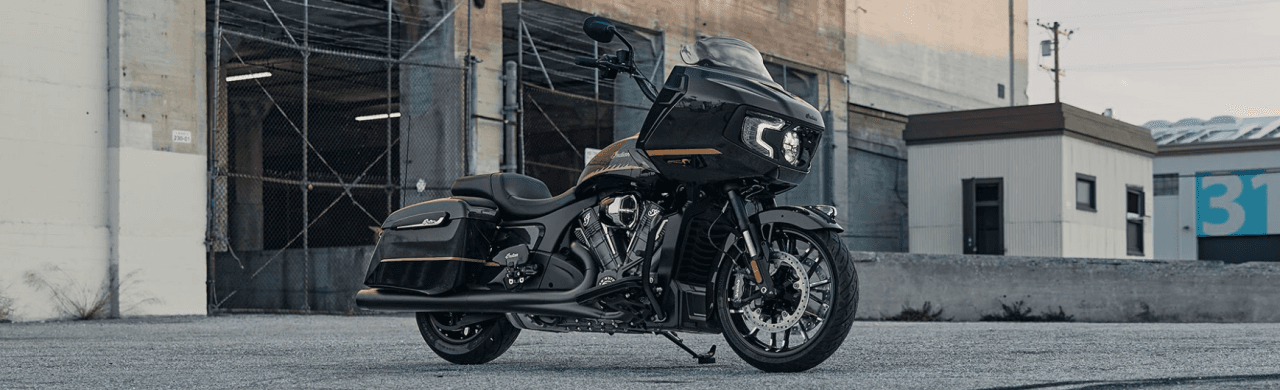
Shopping for a touring motorcycle involves more than choosing a distinctive design or deciding how much storage seems sufficient. Riders also need to consider comfort over several hours, how the motorcycle feels at low speeds, the amount of equipment they regularly carry, and the costs that continue after purchase. For shoppers researching motorcycles for sale Anderson Indiana, the 2026 Indian Challenger Dark Horse can serve as a model to investigate, provided its model-year designation and configuration are confirmed before making a decision.
Start by identifying what your typical ride looks like. A motorcycle used for occasional weekend trips may have different priorities from one intended for frequent regional touring. Think about the length of your usual rides, whether you travel with a passenger, the roads you prefer, and how often you expect to carry luggage. These details help turn a broad search into a practical shortlist.
The model name alone does not confirm the exact equipment, features, or availability of a particular motorcycle. Before comparing listings, ask the seller to confirm the model year, precise variant, installed equipment, warranty information, and whether any accessories are factory-installed or added by a previous owner.
Anderson shoppers should also consider the geography of their search. Looking around Anderson and the wider Indianapolis region may provide additional listings to compare, but the distance to the selling dealership matters too. Include travel time, inspection arrangements, and the logistics of returning for service when assessing the overall value of a purchase.
Touring comfort is personal, so a specification sheet should be the beginning of the evaluation rather than its conclusion. Confirm the equipment listed on the specific 2026 Indian Challenger Dark Horse being considered, then arrange a suitable in-person assessment when possible.
Pay attention to these areas:
Rider ergonomics: Check the reach to the handlebars, foot controls, and other frequently used controls. Your shoulders, wrists, knees, and back should remain comfortable in your normal riding posture.
Seat comfort: Assess seat shape, support, and position. A short showroom visit may not reveal discomfort that develops during a longer ride, so ask about available demonstration or evaluation opportunities.
Wind management: Examine the windscreen and fairing configuration on the actual motorcycle. Rider height, helmet choice, and posture can influence perceived wind pressure and noise.
Passenger accommodation: If you regularly ride two-up, assess passenger seating, foot placement, grab points, and any required luggage or comfort accessories.
Luggage capacity: Confirm the storage equipment fitted to the motorcycle and whether it meets your needs for clothing, protective gear, and everyday items. Check access, locking arrangements, usable space, and any limitations specified by the manufacturer.
Controls and technology: Ask for a demonstration of the equipment fitted to that unit. Verify the functions you expect to use instead of assuming every listing has identical features.
Low-speed handling: Consider how confidently you can maneuver the motorcycle in a parking area, make tight turns, and manage stops. A touring motorcycle must work for your real riding conditions, not only open roads.
Confirm the engine, powertrain, dimensions, weight, braking equipment, and other technical details through current manufacturer information for the exact model and variant. Do not rely on a generic listing or a different model year's specifications. If a feature is important to your decision, ask the seller to identify it in the official documentation or demonstrate it on the motorcycle.
A useful touring motorcycle buying guide compares how each candidate fits your riding habits, not simply how many features appear on its listing. Build a comparison around practical questions and apply the same criteria to every motorcycle you consider.
Comparison area | What to evaluate |
Riding position | Handlebar reach, foot placement, seat height, and comfort |
Touring practicality | Luggage capacity, access, passenger needs, and wind protection |
Everyday handling | Parking, slow turns, stops, and confidence at low speeds |
Equipment | Confirmed factory features, accessories, and documentation |
Ownership costs | Purchase total, insurance, scheduled maintenance, tires, and gear |
Seller confidence | Clear vehicle history, condition details, and written terms |
Separate essential requirements from optional upgrades. If you need luggage space for overnight travel, determine the minimum usable capacity before comparing accessory packages. If comfort is the priority, a more elaborate technology package may not compensate for an unsuitable riding position.
Ownership costs deserve attention before you settle on a listing. Request an itemized out-the-door quote that identifies the selling price, taxes, registration, documentation charges, delivery or setup fees, and optional products. The total may differ from an advertised figure. Compare written quotes on the same basis so that a lower initial price does not distract from additional charges.
Ask your insurance provider for a quote using the exact motorcycle details and your own circumstances. Premiums can vary according to factors such as riding experience, location, coverage, and deductible. Budget for maintenance, tires, protective equipment, storage, and any accessories you plan to add. For a used unit, request maintenance records and ask whether upcoming service or worn components may require spending soon after purchase.
Riding around Anderson can involve a mix of local errands, suburban roads, and longer trips through the region. Think about where the motorcycle will actually be used. A touring-focused model may appeal to riders planning extended journeys, but routine tasks such as parking, maneuvering in confined spaces, and storing riding gear still affect daily satisfaction.
Before committing, consider where you will keep the motorcycle and how you will protect it from weather. Check your available garage or storage space against the motorcycle's confirmed dimensions. If you expect to ride with luggage, test your packing approach and make sure the storage arrangement suits your typical trip.
Service access is another practical consideration. Ask which service locations can work on the motorcycle, how appointments are handled, and whether maintenance records and warranty details will be available. A dealership name referencing Indianapolis does not establish its exact service arrangements or the availability of a particular unit; verify both directly before traveling.
Create a realistic annual budget rather than focusing only on the purchase. Include insurance, routine service, tires, fuel, registration, riding gear, and an allowance for unexpected repairs. If you plan to finance, compare the full borrowing cost, term, down payment, and monthly obligation. A payment that fits the monthly budget may still result in a higher overall cost over the loan term.
Finally, inspect the motorcycle in daylight where possible. Check visible bodywork, controls, tires, brakes, lights, and signs of damage or repairs. For a used motorcycle, review the title and available history, and consider an independent inspection. Confirm all promises about included accessories, repairs, delivery, and warranty coverage in writing before signing.
It may be worth evaluating if its riding position, wind management, luggage setup, and passenger accommodation match your needs. Confirm the exact configuration and assess comfort rather than relying on the model name alone.
Start with the items you normally carry, including clothing, rain gear, electronics, and any passenger belongings. Compare usable space and access on the actual motorcycle, and verify any accessory limitations before purchasing.
Confirm the model year and variant, installed equipment, condition, ownership documents, warranty terms, total purchase price, and service arrangements. If buying used, request available maintenance records and consider an independent inspection.
Request a complete written purchase quote and obtain an insurance estimate. Add expected maintenance, tires, fuel, registration, protective gear, storage, and planned accessories to build a more realistic budget.
Yes, if you are comfortable traveling farther to inspect and collect a motorcycle. Include travel time, delivery costs, service access, and the practicalities of returning to the seller when comparing options across the Anderson and Indianapolis region.
Written for https://vehiclesforsalenearindianapolis.com
By the USA TODAY Network Automotive Insights Team, in collaboration with Tom Wood Powersports Indianapolis and the Vehicles For Sale Near Indianapolis Star Edition.
Disclaimer: This article's content is intended for informational purposes only. Vehicle specifications and features are based on data provided by J.D. Power and local dealerships and may vary by individual vehicle, VIN, trim, configuration, packages, and optional equipment. Vehicle images may not depict the exact model, trim, features, packages, accessories, or specifications described. Vehicle pricing, availability, features, and specifications are subject to change without notice. Please reference the dealership's vehicle listing and window sticker or consult the dealership directly for complete and accurate details.