
This content was aggregated from local dealer and data and insights provided by the USA Today Network Automotive Insights team using Google Gemini and the Vehicles For Sale Near Indianapolis marketplace writing team.
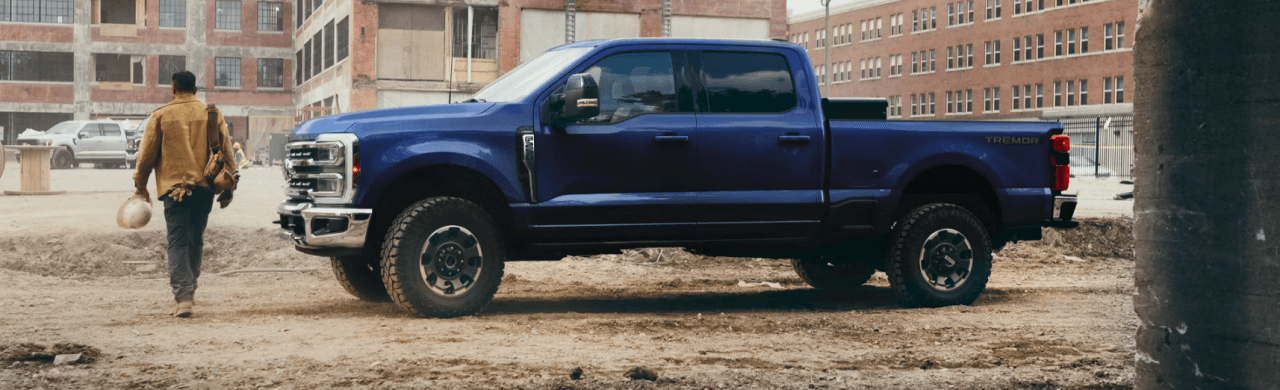
In Indianapolis and across Indiana, the Ford F-350 Super Duty is commonly used for heavy-duty work. From construction sites to agricultural hauling and commercial towing, the truck is built for heavy-duty performance. But not every job requires the same level of power.
At Don Hinds Ford, many buyers focus on choosing the right engine configuration because it directly affects towing capacity, fuel economy, long-term durability, and overall performance.
Matching the engine to your workload ensures you get the right balance of strength and efficiency without overpaying for capability you may not need.
The Ford F-350 typically offers multiple engine configurations designed for different types of work. Each option delivers a different balance of horsepower, torque, and towing capability.
While exact configurations vary by model year and setup, buyers generally choose between:
Gas-powered engines for general heavy-duty work
Turbo diesel engines for maximum towing and torque performance
Each option serves a different type of workload and usage pattern.
The gas-powered engine option in the F-350 is often chosen by drivers who need strong capability without constant maximum towing demands.
This engine is best suited for:
Medium-duty hauling
Construction site material transport
Utility and service work
Drivers who use the truck daily with occasional heavy loads
Key advantages include:
Lower upfront cost compared to diesel
Simpler maintenance requirements
Strong performance for most job-site needs
Good balance between power and usability
For many Indianapolis contractors, this is a practical and cost-effective choice.
The diesel engine option is designed for drivers who regularly handle the most demanding workloads. It delivers significantly higher torque, making it ideal for heavy towing and long-distance hauling.
This engine is best suited for:
Heavy trailer towing
Equipment transport
Long-haul commercial driving
Agricultural and industrial workloads
Key advantages include:
Higher torque for heavy loads
Improved towing stability under pressure
Better long-distance efficiency under load
Long-term durability for demanding use
For drivers who rely on their trucks as core business tools, diesel is often the preferred option.
Choosing the right engine comes down to understanding your daily and weekly workload. The F-350 is versatile, but different jobs require different strengths.
Here’s how to think about it:
Light-to-medium commercial work → Gas engine
Mixed daily driving with occasional towing → Gas engine
Frequent heavy towing or trailers → Diesel engine
Maximum payload and long-distance hauling → Diesel engine
Indiana driving conditions often include highway towing, rural roads, and seasonal weather changes. This makes towing stability and engine performance especially important.
The F-350 handles:
Heavy trailers on highways like I-65 and I-70
Equipment hauling across job sites
Uneven rural and construction roads
Seasonal conditions, including rain and snow
Engine choice affects how confidently the truck handles these conditions under load.
Fuel cost is another important factor when choosing an engine. While diesel engines offer higher torque, they also have distinct fueling requirements and maintenance considerations.
Key differences include:
Gas engines typically cost less per maintenance interval
Diesel engines often offer better efficiency under heavy load
Fuel pricing varies depending on usage patterns
Long-term ownership cost depends on workload intensity
Both engine types are built for durability, but maintenance needs differ depending on usage.
Considerations include:
Diesel engines require specialized maintenance schedules
Gas engines are generally simpler to service
Heavy towing increases wear regardless of engine type
Regular maintenance is critical for long-term performance
Many F-350 owners in Indianapolis use their truck for both work and personal driving. This makes balancing comfort, efficiency, and power important.
Gas engine: smoother daily driving experience
Diesel engine: optimized for heavy-duty performance under load
Both options: strong capability for jobsite use
Choosing the right engine is not just about immediate needs. It also impacts long-term ownership satisfaction, maintenance costs, and performance reliability.
A well-matched engine ensures:
Better fuel efficiency for your workload
Reduced long-term maintenance strain
Improved towing safety and control
More consistent jobsite performance
At Don Hinds Ford, F-350 buyers often compare engine options based on real-world job needs rather than specifications alone. The goal is to match the truck to the work, not the other way around.
Buyers value:
Guidance on engine selection
Access to multiple Super Duty configurations
Work-focused vehicle expertise
Long-term service support
The diesel engine is typically best for maximum towing capacity and heavy loads.
Yes. It handles most medium-duty construction and utility tasks effectively.
Gas engines are generally less expensive and simpler to maintain.
Yes. Many owners use it for both work and everyday driving.
Written for https://vehiclesforsalenearindianapolis.com
By the USA TODAY Network Automotive Insights Team, in collaboration with Don Hinds Ford and the Vehicles For Sale Near Indianapolis Star Edition.